10 Dangerous Motorcycle Riding Mistakes and How to Avoid Them
7 min read
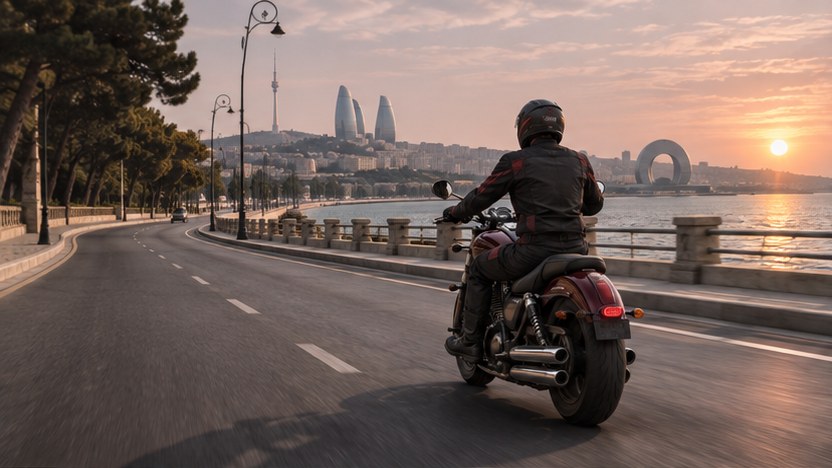
Motorcycling offers a unique sense of freedom, but a single poor decision can have serious consequences. Understanding common riding mistakes is one of the most effective ways to develop safer habits on the road.
Unlike cars, motorcycles provide little physical protection around the rider. Safe riding requires balance, awareness, sound judgment, and the ability to anticipate potential hazards before they become emergencies.
According to the National Highway Traffic Safety Administration (NHTSA), motorcyclists in the United States were nearly 27 times more likely than passenger car occupants to die in traffic crashes per vehicle mile traveled in 2024.
Although these figures describe US road conditions, they highlight the importance of motorcycle safety worldwide.
At ERRANTES RC, we believe responsible riding begins with understanding risks. Here are 10 dangerous mistakes every rider should recognize and avoid.
1. Riding in a Car's Blind Spot

One of the most dangerous mistakes a motorcyclist can make is remaining alongside another vehicle where its driver cannot see the motorcycle in the mirrors.
These areas, known as blind spots, are particularly dangerous when drivers change lanes or turn unexpectedly.
Motorcycles have a narrow profile, making them easier to overlook than larger vehicles.
How to avoid it:
- Avoid remaining in another vehicle's blind spot.
- Never assume a driver has noticed you.
- Position your motorcycle where you are more likely to be visible.
- Check that the road ahead is clear before overtaking.
- Exercise additional caution around trucks and buses.
Remember: Seeing another vehicle does not mean its driver can see you.
2. Following Other Vehicles Too Closely
Following too closely reduces the time available to react when traffic conditions change.
If the vehicle ahead suddenly brakes, a rider may have insufficient time or distance to stop safely.
How to avoid it:
- Use at least a two-second following interval as a starting point in favorable conditions.
- Increase that interval in rain, poor visibility, heavy traffic, or on slippery surfaces.
- Look beyond the vehicle immediately ahead whenever possible.
- Maintain enough room to respond to sudden changes in traffic.
- Leave a safe escape option when stopping behind vehicles.
A two-second interval is not a universal guarantee of safety. Appropriate following distance depends on speed, traction, visibility, and other conditions.
3. Entering Corners Too Fast
Entering a corner at excessive speed can make maintaining control significantly more difficult.
A rider who realizes halfway through a turn that the entry speed was too high may brake abruptly, choose an incorrect line, or run wide.
Cruiser motorcycles may have additional limitations due to their ground clearance and available lean angle.
How to avoid it:
- Adjust your speed before entering the corner.
- Look toward the intended path of travel.
- Ride within your personal abilities and the motorcycle's capabilities.
- Watch for gravel, sand, water, and uneven surfaces.
- Apply braking and throttle inputs smoothly.
Good cornering begins with selecting an appropriate entry speed.
4. Using the Brakes Incorrectly
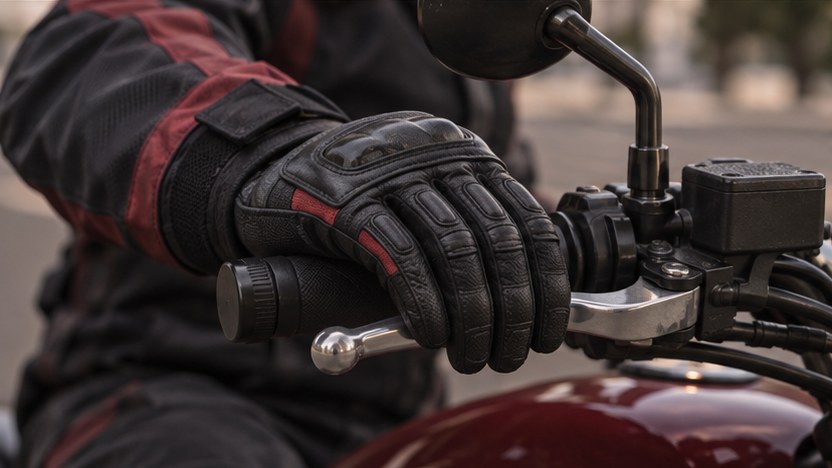
Motorcycle braking requires coordination and an understanding of weight transfer.
During braking, weight shifts toward the front wheel. As a result, the front brake generally provides a significant portion of the motorcycle's stopping capability.
However, proper use of both brakes remains important.
How to avoid it:
- Follow the manufacturer's braking recommendations.
- Apply braking pressure progressively and smoothly.
- Practice emergency braking in a safe, controlled environment.
- Understand how your motorcycle's ABS operates.
- Begin braking earlier when traction is reduced.
Anti-lock braking systems help prevent wheel lockup, but they cannot eliminate every risk or guarantee a short stopping distance in all conditions.
5. Ignoring Road Surface Conditions
A road defect that causes only minor discomfort in a car can become a serious hazard for a motorcycle.
Loose gravel, sand, oil, potholes, wet painted markings, and metal covers can reduce tire traction.
How to avoid it:
- Continuously scan the road surface ahead.
- Reduce speed before reaching potentially slippery areas.
- Avoid sudden, uncontrolled steering inputs.
- Be particularly cautious during the early stages of rainfall.
- Regularly inspect tire condition and inflation pressure.
Urban roads can contain unexpected hazards, including construction debris, damaged pavement, and slippery markings.
6. Failing to Anticipate Other Drivers' Mistakes
Motorcycle safety is not only about controlling your own vehicle. It also requires anticipating the actions of other road users.
A driver may turn across your path, pull out of a parking space, or change lanes without noticing your motorcycle.
The Motorcycle Safety Foundation recommends the SEE strategy:
- Search: Continuously identify potential hazards.
- Evaluate: Consider how those hazards might develop.
- Execute: Take appropriate action early enough to reduce the risk.
This approach is particularly valuable at intersections, parking areas, and in congested urban traffic.
Defensive riding means preparing for possible mistakes without assuming that every other driver will behave predictably.
7. Riding Without Proper Protective Gear
Short trips and low speeds do not eliminate the need for motorcycle-specific protective equipment.
Ordinary clothing generally cannot provide the same abrasion and impact protection as purpose-built motorcycle gear.
Recommended protective equipment includes:
- A properly fitted, certified motorcycle helmet;
- A motorcycle jacket with shoulder and elbow protection;
- Motorcycle gloves;
- Abrasion-resistant riding trousers;
- Motorcycle boots or shoes offering ankle protection.
For equipment sold in European markets, riders can look for relevant standards such as ECE 22.06 for helmets and EN 17092 for protective motorcycle clothing.
Protective gear cannot prevent a crash, but it may reduce the severity of certain injuries.
8. Skipping Pre-Ride Motorcycle Inspections
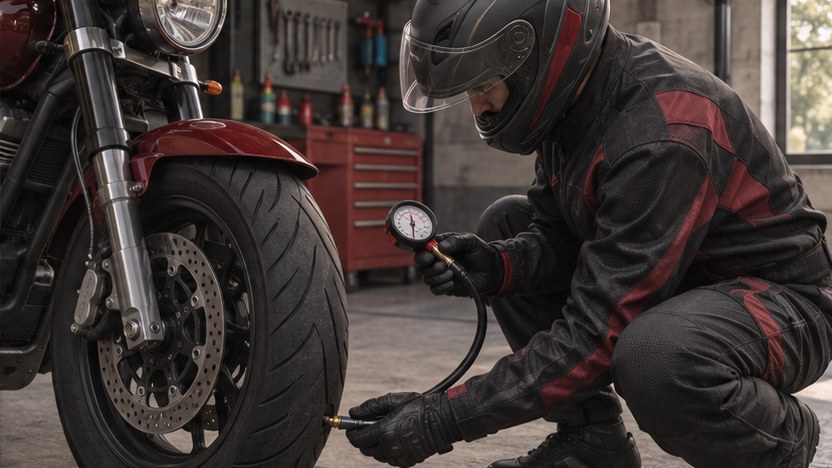
Mechanical problems can compromise a motorcycle's handling and braking performance.
Tires, brakes, lights, controls, and drivetrain components should be checked regularly.
Before riding, inspect:
- Tire condition and recommended inflation pressure;
- Front and rear brake operation;
- Headlights, brake lights, and turn signals;
- Signs of oil or fluid leaks;
- Chain or belt condition, where applicable;
- Throttle and steering operation.
The Motorcycle Safety Foundation recommends a systematic pre-ride inspection using its T-CLOCS approach.
A brief inspection can help identify developing problems before they become serious safety hazards.
9. Riding While Tired or Distracted
Motorcycle riding demands continuous concentration, coordination, and awareness.
Fatigue, sleep deprivation, emotional stress, alcohol, and certain medications can impair reaction time and decision-making.
Using a phone or adjusting navigation while moving also creates unnecessary distractions.
How to avoid it:
- Take breaks when you begin feeling tired.
- Set up navigation before starting your ride.
- Never ride under the influence of alcohol or impairing drugs.
- Consider the effects of prescription medication.
- Plan rest stops during longer journeys.
If you are too tired to maintain proper concentration, postponing the ride may be the safest decision.
10. Overestimating Your Riding Abilities
Experience can improve riding skills, but it can also create overconfidence.
Some riders begin taking unnecessary risks as they become more comfortable with their motorcycles.
These risks may include excessive speed, aggressive overtaking, or trying to match the pace of more experienced riders.
How to avoid it:
- Ride at a pace appropriate to your abilities.
- Never take risks to keep up with a group.
- Allow time to adapt to an unfamiliar motorcycle.
- Practice fundamental riding techniques regularly.
- Consider advanced rider training.
A skilled motorcyclist is not defined by speed, but by the ability to recognize risks and make controlled decisions.
The Foundation of Safer Motorcycle Riding
Safe motorcycling requires more than mechanical skills. It involves observation, anticipation, self-discipline, and continuous learning.
Avoiding blind spots, maintaining adequate following distance, choosing appropriate speeds, and preparing for other drivers' mistakes can significantly improve your approach to road safety.
At ERRANTES RC, we believe every great ride should end with a safe return home.
New Roads. New Places. Shared Memories.
Sources and Further Reading
- Motorcycle Safety Foundation — If You Ride a Motorcycle
- Motorcycle Safety Foundation — Why It Helps to SEE
- Motorcycle Safety Foundation — Motorcycle Safety Awareness Month
- National Highway Traffic Safety Administration — Motorcycle Safety
- Motorcycle Safety Foundation — T-CLOCS
This article is intended for educational purposes and does not replace professional rider training, manufacturer instructions, or applicable road traffic laws.
More from the Riding Guide
- Riding a motorcycle in Baku in autumn
- The art of riding without rushing
- A one-day motorcycle ride from Baku