How to Winterize a Motorcycle: Complete Storage Guide
8 min read
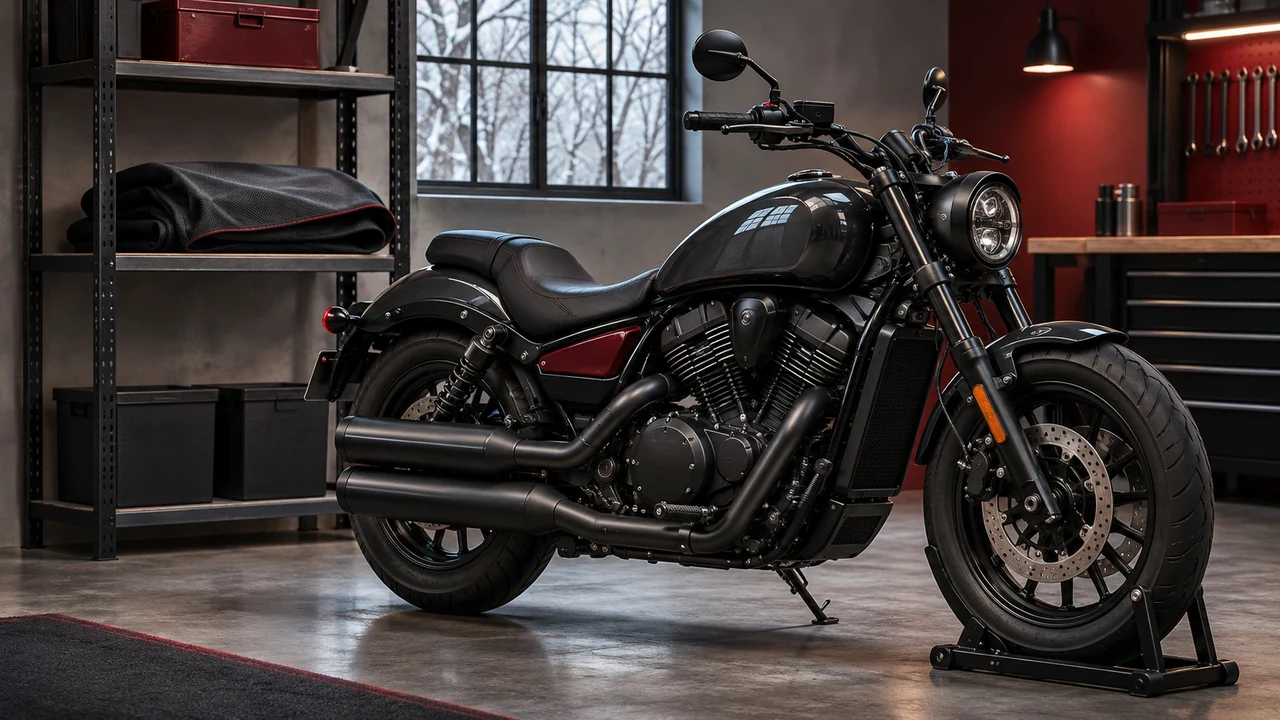
Cold temperatures, moisture, and prolonged inactivity can affect a motorcycle's battery, fuel system, tires, and metal components. Proper winter preparation helps protect your motorcycle and reduces the risk of mechanical problems when the riding season returns.
For motorcyclists, winter brings two different approaches. Some riders continue using their motorcycles throughout the colder months, while others store them until spring.
Both approaches require proper maintenance. If a motorcycle will remain unused for several months, simply parking it in a garage and covering it is not enough.
Indian Motorcycle recommends preparing motorcycles for long-term storage when they will not be operated for more than 60 days. These procedures are intended to protect the fuel system, battery, and components vulnerable to corrosion.
In this ERRANTES RC guide, we explain the essential steps for preparing a motorcycle for winter storage and returning it safely to the road.
1. Choose the Right Motorcycle Storage Location
The first step in winterizing a motorcycle is selecting a suitable storage area.
Ideally, the motorcycle should be stored in a dry, well-ventilated garage with a stable, level surface.
Frequent temperature fluctuations and excessive humidity may encourage condensation and corrosion.
Recommended storage conditions:
- Choose a dry and well-ventilated location.
- Protect the motorcycle from direct exposure to rain and snow.
- Avoid surfaces contaminated with oil or gasoline.
- Keep the motorcycle away from heaters and ignition sources.
- Make sure the motorcycle is securely supported.
Gasoline vapors are flammable. Never store a motorcycle containing gasoline near open flames, pilot lights, sparks, or other potential ignition sources.
A stable and relatively dry storage environment is particularly important in humid climates.
2. Protect the Motorcycle Battery
Battery discharge is one of the most common problems associated with long-term motorcycle storage.
Even when the ignition is switched off, security systems and electronic modules may continue consuming small amounts of electricity.
Lead-acid batteries can also suffer damage when stored in a deeply discharged state.
Battery storage checklist:
- Inspect the battery and its terminals.
- Use a compatible automatic maintenance charger.
- Follow the manufacturer's instructions regarding battery removal or disconnection.
- Store a removed battery in a suitable dry location.
- Monitor its charge during storage.
Indian Motorcycle recommends connecting a maintenance charger when a motorcycle will not be used for four weeks or longer.
Important: AGM, conventional lead-acid, and lithium batteries may require different charging procedures. Always select a charger compatible with the installed battery.
3. Prepare the Fuel System for Long-Term Storage
Gasoline can degrade during extended storage. Oxidation and the formation of deposits may affect fuel system performance.
Several Indian Motorcycle and Harley-Davidson owner manuals recommend filling the fuel tank with fresh gasoline and adding a suitable fuel stabilizer before storage.
Recommended procedure:
- Consult the storage section of your motorcycle's owner manual.
- Add fresh fuel as directed, without overfilling.
- Use an appropriate gasoline stabilizer if recommended.
- Follow the instructions for distributing the stabilizer through the fuel system.
- Inspect the motorcycle for fuel leaks.
Not every motorcycle uses the same storage procedure. Some manufacturers specify fuel replacement or other steps when returning a motorcycle to service.
Safety warning: Never smoke while handling gasoline or run an engine in a garage; start it outdoors, away from doors and windows.
4. Check Engine Oil and Other Fluids
Engine oil helps lubricate moving parts and protect internal engine components.
Used oil can contain combustion byproducts and other contaminants. For this reason, several manufacturers recommend changing the oil before long-term storage.
Inspect the following:
- Engine oil level and replacement interval;
- Brake fluid condition and service schedule;
- Coolant level and antifreeze protection on liquid-cooled motorcycles;
- Signs of fluid leaks;
- Oil filter and maintenance history.
For liquid-cooled motorcycles, ensure the coolant provides appropriate freeze protection.
Use only coolant and engine oil meeting the manufacturer's specifications.
5. Prevent Tire Damage During Storage
When a motorcycle remains stationary for several months, prolonged loading of the same tire contact area can contribute to temporary flat spotting.
Insufficient tire pressure may increase this risk.
Tire storage recommendations:
- Check tire pressure when the tires are cold.
- Follow the manufacturer's specified inflation pressure.
- Keep tires away from oil, gasoline, and harsh chemicals.
- Consider appropriate motorcycle stands if recommended and available.
- Inspect the tires for cracks, cuts, and uneven wear.
If the motorcycle remains on its tires, ensure that the parking surface is firm and level.
Do not assume that overinflating the tires is an appropriate storage method.
6. Clean the Motorcycle and Prevent Corrosion
Dirt, road salt, and moisture can accelerate corrosion.
Cleaning the motorcycle before winter storage is therefore an important preventive measure.
Cleaning procedure:
- Wash the motorcycle with suitable cleaning products.
- Remove accumulated dirt from difficult-to-reach areas.
- Dry the motorcycle thoroughly.
- Apply appropriate protection to exposed metal and chrome surfaces.
- Use manufacturer-approved products for painted and plastic components.
Never apply oily corrosion inhibitors to brake discs, brake pads, tire tread, or other surfaces that must maintain friction.
Matte paint, leather, chrome, and polished metal may require different cleaning products.
7. Inspect the Final Drive System
Motorcycles may use chain, belt, or shaft final drives.
Each system has different maintenance requirements.
For chain-driven motorcycles:
- Clean the chain.
- Apply a compatible chain lubricant.
- Inspect chain tension and wear.
For belt-driven motorcycles:
- Inspect the belt for cracks, damage, and trapped debris.
- Check belt tension according to the manufacturer's instructions.
- Do not apply chain lubricant to the belt unless specifically instructed.
For shaft-driven motorcycles:
- Check for signs of leaks.
- Follow the final-drive oil service schedule.
Completing these checks before storage helps identify potential problems early.
8. Use a Suitable Motorcycle Cover
A motorcycle cover protects against dust and environmental exposure, but the wrong material may trap moisture.
Non-breathable plastic covers can encourage condensation, especially when placed over a damp motorcycle.
Choosing a cover:
- Use a breathable, motorcycle-specific cover.
- Allow the motorcycle to dry completely before covering it.
- Choose weather-resistant protection for outdoor storage.
- Keep covers away from hot exhaust components.
- Secure the cover to prevent excessive movement in strong winds.
For indoor storage, a breathable dust cover is often appropriate.
9. Should You Start Your Motorcycle During Winter Storage?
Some riders believe starting a stored motorcycle for a few minutes every week is essential.
However, brief engine operation is not necessarily beneficial.
If the engine and exhaust system do not reach appropriate operating temperatures, moisture may remain. Short periods of idling may also consume more battery energy than the charging system replaces.
A better approach:
- Follow the manufacturer's long-term storage procedure.
- Maintain the battery using a compatible charger.
- Avoid unnecessary short engine starts solely for storage maintenance.
- Start the engine outdoors, away from doors and windows.
Regular winter riding is different from long-term storage and requires a separate maintenance approach.
10. Prepare Your Motorcycle for the First Spring Ride
Before returning a stored motorcycle to the road, perform a thorough inspection.
Spring startup checklist:
- Inspect the battery and electrical connections.
- Check the fuel condition and look for leaks.
- Verify engine oil and other fluid levels.
- Inspect tire pressure, tread, and sidewalls.
- Test the front and rear brakes.
- Check headlights, brake lights, and indicators.
- Inspect the chain, belt, or shaft drive.
- Verify throttle, steering, and control operation.
Begin with a short, low-speed ride in a safe environment.
If you notice unusual noises, braking problems, leaks, or handling issues, stop riding and investigate the cause.
Additional Tips for Riding Throughout Winter
Not every motorcyclist stores their bike during the colder months.
For riders who continue riding, attention should shift toward road conditions, traction, visibility, and protective clothing.
- Remember that cold tires and wet pavement may provide reduced traction.
- Reduce speed on icy, wet, or gravel-covered surfaces.
- Wear wind-resistant and weather-appropriate motorcycle clothing.
- Use smooth braking and steering inputs.
- Remove road salt and contamination after riding.
- Inspect tires and brakes regularly.
In coastal cities such as Baku, strong winds, rain, and humidity can make winter riding more challenging.
If conditions are unsafe, postponing the ride is the better decision.
Conclusion: Winter Preparation Protects Your Next Riding Season
Winterizing a motorcycle involves more than parking it in a garage.
Protecting the battery, fuel system, engine, tires, and exposed components helps preserve the motorcycle's condition during extended inactivity.
Because maintenance requirements vary by model, the owner's manual should always remain the primary technical reference.
At ERRANTES RC, we believe a great riding season begins with proper preparation long before the first ride.
New Roads, New Places, Shared Memories.
Sources and Further Reading
- Indian Motorcycle — Motorcycle Storage: https://www.indianmotorcycle.com/es-mx/self-help/article/KA-01976/
- Indian Motorcycle — Battery Maintenance: https://www.indianmotorcycle.com/en-us/self-help/article/KA-01248/
- Indian Motorcycle — 2024 Rider's Manual: https://publications.polaris.com/owner/owners-manuals/0000886880.xml?onepage=true
- Harley-Davidson — Motorcycle Storage: https://serviceinfo.harley-davidson.com/sip/service/procedure/2193796756976112332/BLAISE/496304/en_US
- Honda — Storing Your Honda: https://cdn.powersports.honda.com/documentum/MWOM/ml.remawmom.ak282525omen.pdf
- CDC — Carbon monoxide safety
This article is intended for educational purposes. Always follow the storage and maintenance procedures specified for your particular motorcycle model.
More from the Riding Guide
- Riding a motorcycle in Baku in autumn
- 10 dangerous motorcycle riding mistakes
- Planning a day ride from Baku