Motorcycle Riding at Night: 10 Essential Safety Tips
8 min read
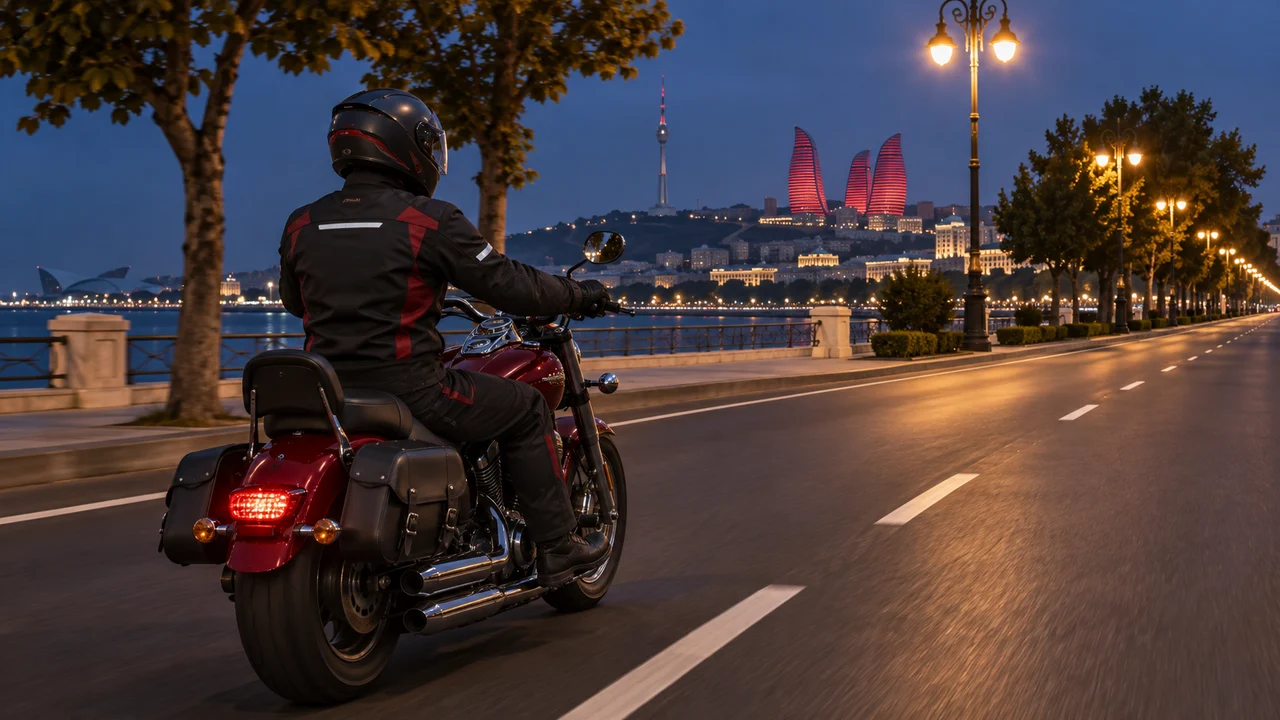
Quiet streets, city lights, and open roads can make nighttime motorcycle riding an unforgettable experience. However, riding after dark requires additional awareness, preparation, and a different approach to managing risks.
The main challenge of riding a motorcycle at night is not simply darkness. Reduced visibility, difficulty judging distances, glare from oncoming headlights, and the possibility of other drivers overlooking motorcycles all create additional hazards.
The Motorcycle Safety Foundation (MSF) recommends reducing speed, increasing following distance, and improving visibility when riding at night.
In this ERRANTES RC guide, we explain 10 essential safety practices every motorcyclist should understand before riding after dark.
1. Adjust Your Speed to Your Visibility
One of the most important principles of nighttime riding is maintaining a speed that allows you to stop safely within the distance you can clearly see.
An obstacle that is easily visible during daylight may not become apparent at night until it enters your headlight beam.
At excessive speeds, there may not be enough distance to react and stop.
How to ride more safely:
- Reduce speed on poorly illuminated roads.
- Approach unfamiliar corners and hill crests cautiously.
- Ride at a speed that allows you to stop within the visible clear distance.
- Slow down further when oncoming headlights affect your vision.
- Never assume the posted speed limit is automatically safe for current conditions.
Remember: Your available visibility should always be greater than the distance required to stop safely.
2. Use Your Motorcycle Headlights Correctly
Motorcycle headlights serve two essential purposes: illuminating the road ahead and helping other road users notice your presence.
A poorly adjusted, dirty, or malfunctioning headlight can significantly reduce nighttime visibility.
Before riding:
- Check low and high beams.
- Clean the headlight lens.
- Verify proper headlight alignment.
- Inspect the taillight and brake light.
- Test turn signals.
High beams can improve visibility on dark, empty roads. However, switch to low beams whenever necessary to avoid dazzling oncoming drivers or vehicles ahead.
If you install auxiliary lighting, ensure it complies with applicable regulations and your motorcycle's electrical specifications.
3. Make Yourself More Visible to Other Drivers
Motorcycles have a relatively narrow profile compared with cars and trucks.
At night, this can make them more difficult for other drivers to detect and accurately judge.
Dark motorcycles, black helmets, and dark riding gear may further reduce visual contrast in poorly illuminated environments.
Improve your visibility by:
- Wearing reflective elements on your jacket or vest.
- Considering suitable reflective markings on your helmet.
- Maintaining legally compliant motorcycle reflectors.
- Avoiding prolonged riding in vehicle blind spots.
- Choosing safe lane positions that improve your visibility to other road users.
The National Highway Traffic Safety Administration recommends reflective materials and properly functioning motorcycle lights as ways to improve rider conspicuity.
Important: Being more visible reduces some risks, but it does not guarantee that every driver has noticed you.
4. Increase Your Following Distance
Judging distance and speed becomes more difficult after dark.
This makes additional space between your motorcycle and the vehicle ahead especially important.
The MSF Motorcycle Operator Manual recommends a following interval of three seconds or more when riding at night.
How to measure your following distance:
- Choose a fixed roadside object.
- Watch the vehicle ahead pass that object.
- Count the seconds until your motorcycle reaches the same point.
- If the interval is less than three seconds, increase your distance.
- Allow additional space in rain, fog, or slippery conditions.
Three seconds is a useful starting point, not a guarantee of sufficient stopping distance in every situation.
5. Avoid Looking Directly Into Oncoming Headlights
Bright headlights from approaching vehicles can temporarily reduce your ability to see the road.
This effect may make obstacles, lane markings, and pedestrians more difficult to identify.
Practical precautions:
- Avoid staring directly at oncoming headlights.
- Shift your focus toward the safe path within your lane.
- Use road markings as visual references.
- Reduce speed when glare affects your vision.
- Be prepared to stop safely if visibility becomes seriously impaired.
The goal is to reduce glare while maintaining awareness of your intended direction of travel.
6. Choose a Clear and Clean Helmet Visor
A dark visor that works well during the day may significantly reduce visibility at night.
Even on illuminated city streets, heavily tinted or mirrored visors can make hazards harder to detect.
Recommended precautions:
- Use a clear visor for nighttime riding.
- Inspect the visor for scratches and contamination.
- Consider a compatible anti-fog insert.
- Keep the visor clean during wet conditions.
- Follow the helmet manufacturer's visor recommendations.
Important: Avoid using visors that are not approved or suitable for nighttime use.
7. Watch for Road Hazards and Unexpected Obstacles
Identifying road surface hazards becomes more difficult after sunset.
Potholes, gravel, sand, oil, wet metal covers, and debris may appear with very little warning.
Animals entering the road can create additional hazards outside urban areas.
How to reduce the risk:
- Scan beyond the taillights of the vehicle ahead.
- Look as far down the visible road as possible.
- Reduce speed before reaching uncertain surfaces.
- Avoid abrupt steering or braking inputs.
- Maintain additional space on poorly illuminated roads.
The later you identify a hazard, the less time you have to respond safely.
8. Be Extra Cautious at Intersections and Blind Spots
Intersections require particular attention during nighttime riding.
Even when another driver notices your headlight, they may misjudge your distance or approaching speed.
This is especially relevant when vehicles turn across your path, enter from side roads, or change lanes.
Safety recommendations:
- Approach intersections at a controlled speed.
- Never assume another driver has seen you.
- Anticipate unexpected lane changes.
- Avoid the blind spots of trucks and buses.
- Maintain enough space to brake or take evasive action.
Defensive riding means preparing for possible mistakes by other road users, even when you have the right of way.
9. Manage Fatigue and Distractions
Riding at night can increase fatigue-related risks, particularly after a long working day.
The body's natural sleep cycle can affect alertness, concentration, and reaction time.
Reduce these risks by:
- Avoiding riding when sleepy.
- Planning breaks during long nighttime journeys.
- Setting navigation before departure.
- Never riding under the influence of alcohol or impairing substances.
- Stopping safely if concentration or alertness declines.
Coffee and energy drinks are not reliable substitutes for adequate sleep.
The safest choice: If you cannot remain fully alert, do not continue riding.
10. Inspect Your Motorcycle Before a Night Ride
A mechanical issue that seems minor during daylight can become significantly more dangerous after dark.
Lighting system failures are particularly important because they affect both your ability to see and your visibility to others.
Pre-ride inspection checklist:
- Low and high beams;
- Taillight and brake light;
- Turn signals;
- Tire pressure and tread condition;
- Front and rear brakes;
- Mirrors and controls;
- Helmet visor condition;
- Phone battery and route preparation.
For longer nighttime journeys, identify suitable fuel stops and safe places to rest before departure.
Night Riding on Cruiser Motorcycles
Cruiser motorcycles such as the Indian Scout, Harley-Davidson Softail, Honda Rebel, and Kawasaki Vulcan are popular for relaxed road riding.
However, motorcycle type does not eliminate the risks associated with darkness.
Cruiser riders should pay particular attention to:
- Headlight alignment and beam performance;
- Changes in headlight angle caused by passengers or luggage;
- Ground clearance and lean-angle limitations in corners;
- Fatigue during extended rides;
- Reflective details on dark riding gear.
Headlight performance and cornering visibility vary between motorcycle models. Understanding your particular motorcycle's capabilities is essential.
Motorcycle Night Riding in Baku
Baku offers a distinctive nighttime atmosphere, with illuminated avenues, coastal roads, and city scenery.
However, urban riding also presents several challenges.
Local considerations include:
- Strong winds affecting motorcycle stability;
- Slippery road markings after rainfall;
- Unexpected lane changes;
- Vehicles turning at intersections;
- Poorly illuminated side streets;
- Pedestrians entering the roadway.
A quiet road is not necessarily a safe road. Reduced traffic should never be treated as permission to ride faster.
Conclusion: Ride Within What You Can See
Nighttime motorcycle riding can be enjoyable, but reduced visibility makes every decision more important.
Appropriate speed, properly adjusted headlights, a clear visor, reflective riding gear, and adequate following distance all contribute to safer riding.
At ERRANTES RC, we believe responsible riding means enjoying the journey and returning home safely after every ride.
New Roads, New Places, Shared Memories.
Sources and Further Reading
- Motorcycle Safety Foundation — Motorcycle Operator Manual: https://msf-usa.org/wp-content/uploads/2023/02/motorcycle-operator-manual.pdf
- Motorcycle Safety Foundation — If You Ride a Motorcycle: https://msf-usa.org/documents/library/if-you-ride-a-motorcycle/
- Motorcycle Safety Foundation — Night Riding: https://msf-usa.org/wp-content/uploads/2021/07/RT-3-pdf.pdf
- National Highway Traffic Safety Administration — Motorcycle Safety: https://www.nhtsa.gov/road-safety/motorcycles
- UK Department for Transport — The Highway Code, Rules 113–126: https://www.gov.uk/guidance/the-highway-code/general-rules-techniques-and-advice-for-all-drivers-and-riders-103-to-158
- UK Department for Transport — Rules for Drivers and Motorcyclists: https://www.gov.uk/guidance/the-highway-code/rules-for-drivers-and-motorcyclists-89-to-102
This article is intended for educational purposes and does not replace professional rider training, manufacturer instructions, or applicable road traffic laws.
More from the Riding Guide
- Riding a motorcycle in Baku in autumn
- 10 dangerous motorcycle riding mistakes
- Planning a day ride from Baku